
Why write?

"Technology is both bard and bandit"—there is no truer way to describe the modern writer's paradox. We live in an era where the very tools that grant us a global stage are the ones constantly trying to burglarize our quiet spaces.

In 2013 I had a vision for writing that snarky non-woke kind of grit: it remains a still-stubborn decision to prioritize deep, spiritual ideas over the fleeting, algorithmic chatter of the internet.

Unpacking A Writer's Paradox
  • The Necessary Evil: Blogging forces a rapid fire of thought for quick consumption. It can feel entirely antithetical to the slow, rich brewing that fiction demands.

  • The Sacred Ordinary: Finding those big ideas in "ordinary places with familiar friends" is where real, literary texture comes from. Grounding the sweeping arcs of fiction in the recognizable truth of daily life is what makes a story stick to a reader's ribs.

“Fiction is always larger than the life we once knew.”

Rebecca Templeman, 2026

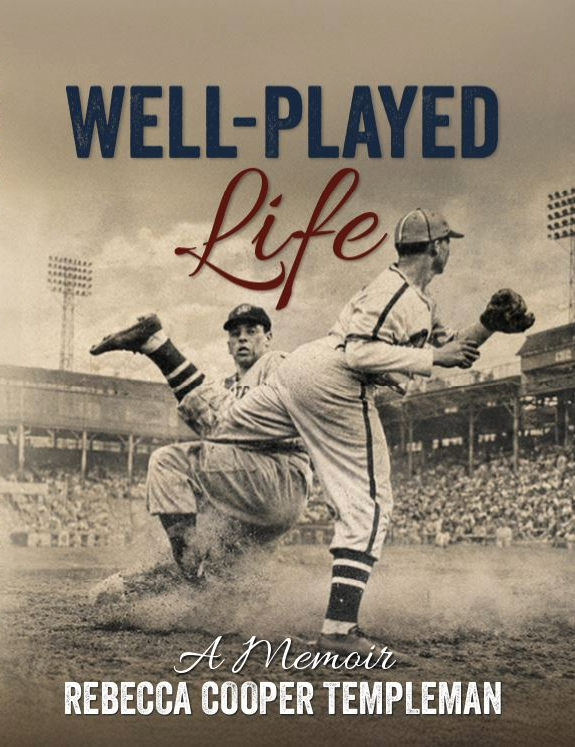
Well-Played Life

A Feel-GoodMemoir of an Original Influencer

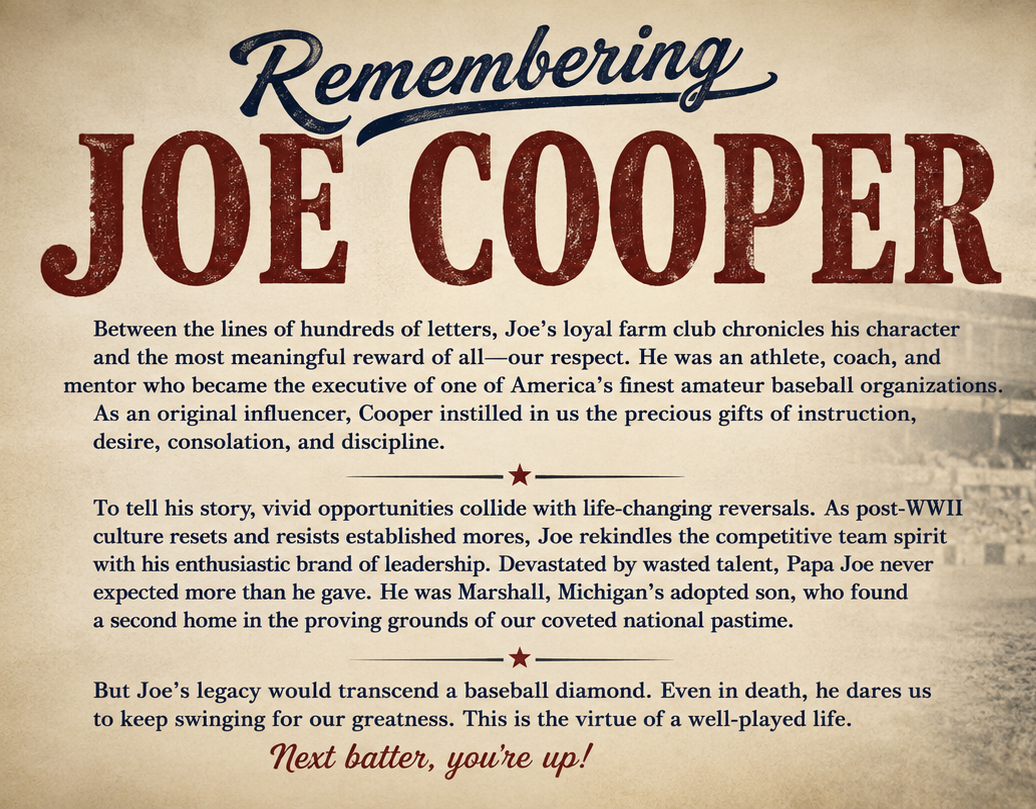
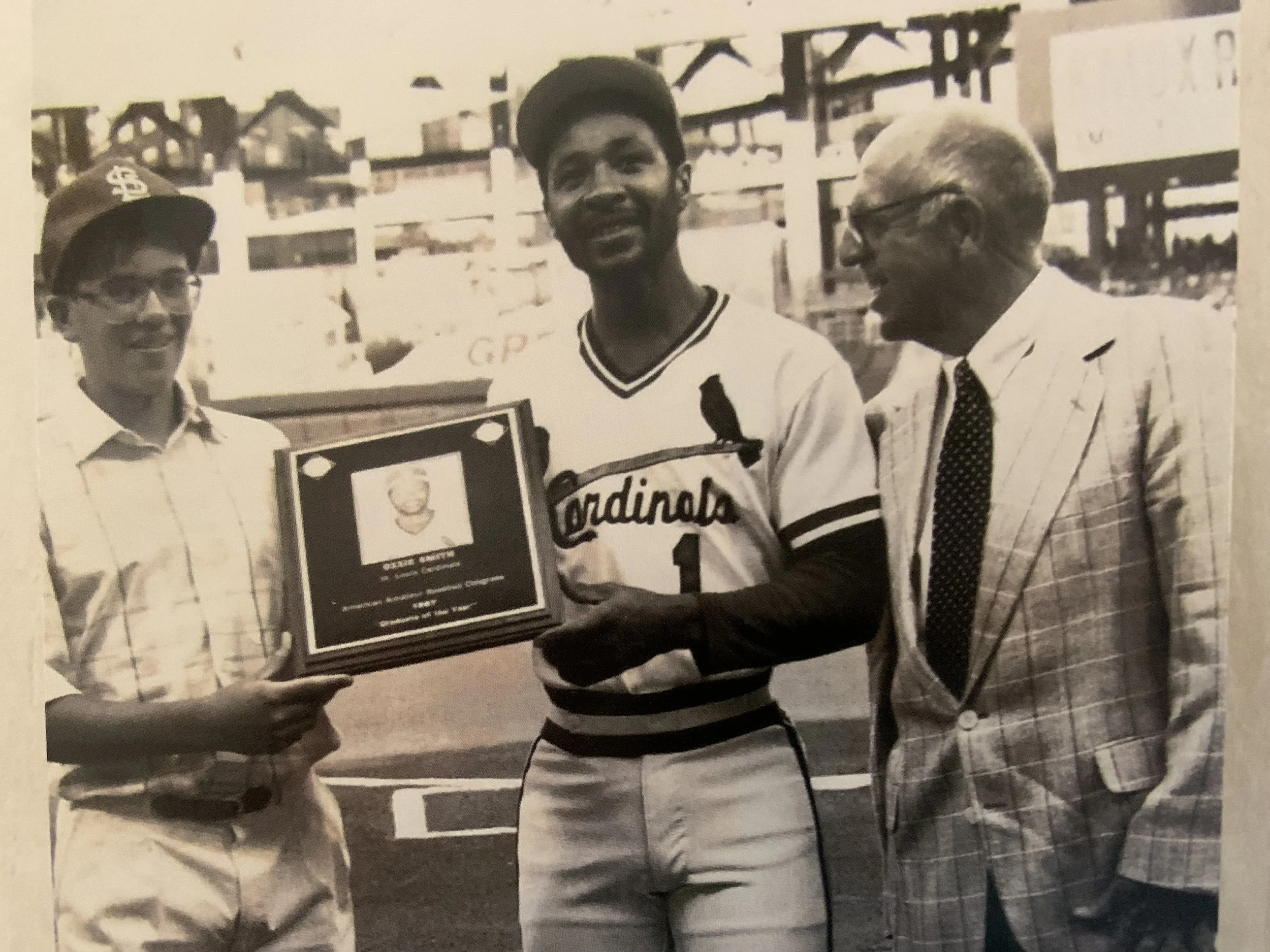
Telling the legendary stories of Joe Cooper— through the seasons of hometown memories.

Big Ideas, Real Events, People in Places. Then & Now

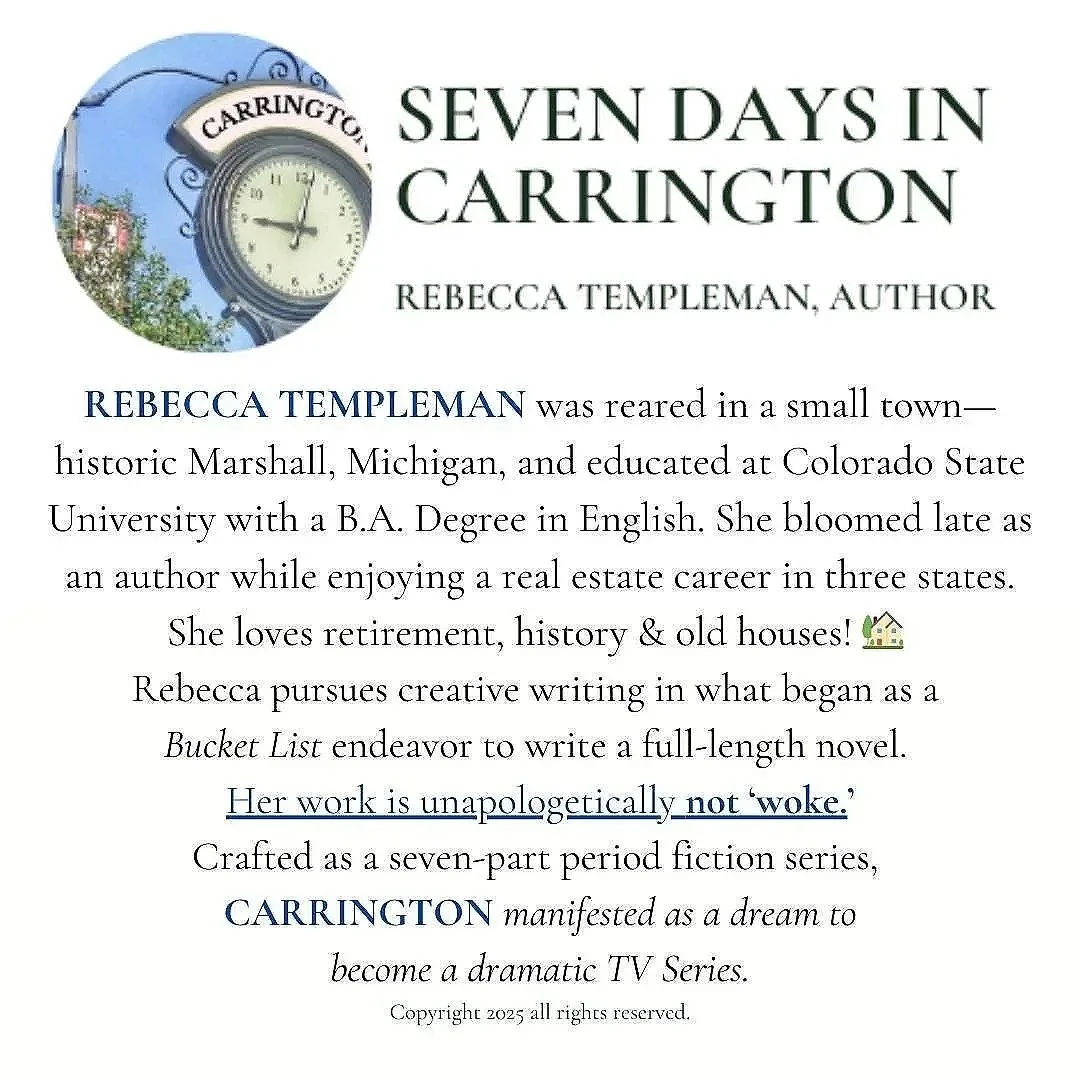
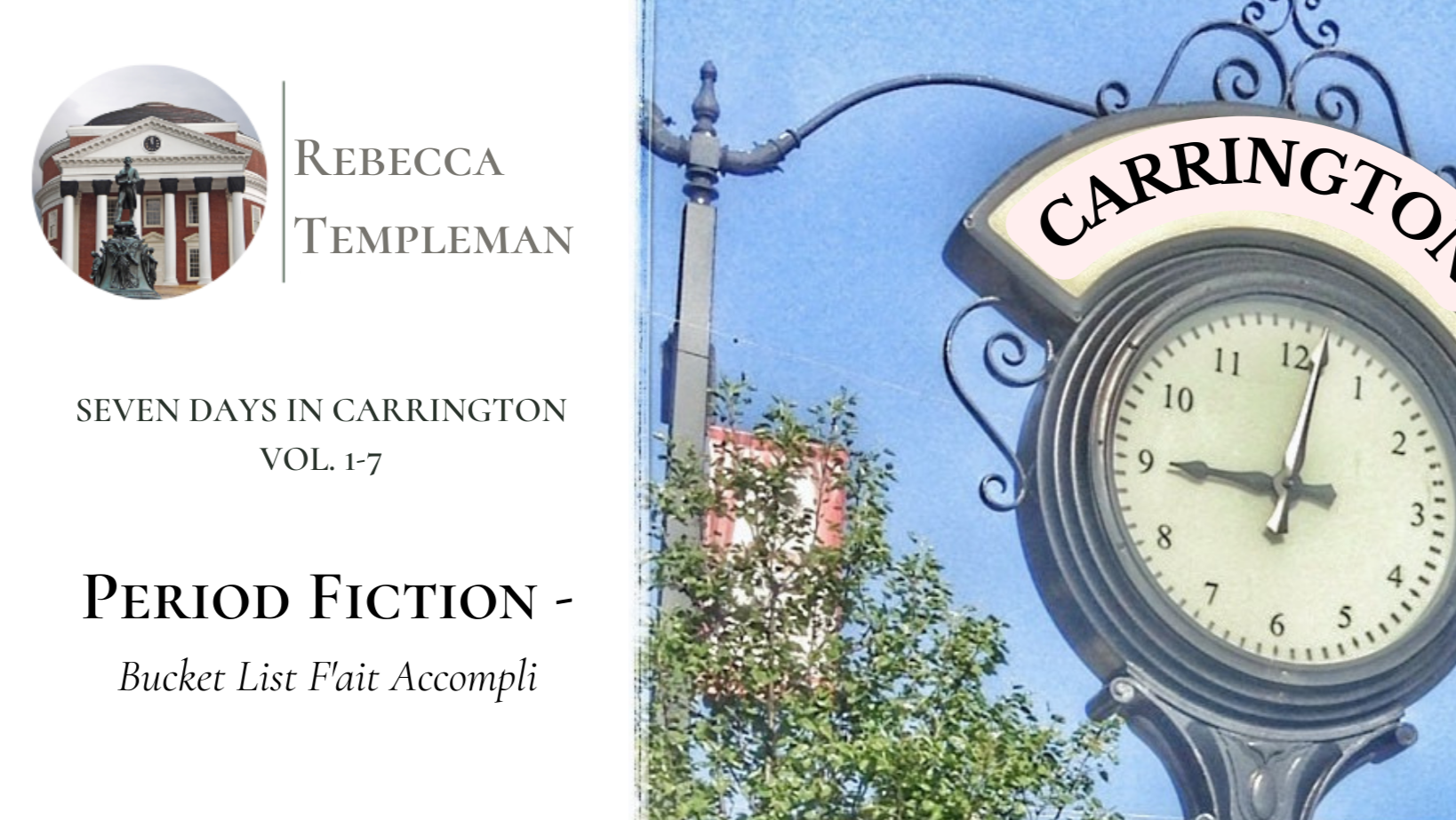
Book page about Rebecca Templeman, author of "Seven Days in Carrington," with small photo of a clock on a building and a blue sky in the background.
People walking near a theater marquee displaying "Seven Days in Carrington" on a sunny day
Tell me your story.

Life Flashes Fast In a 6-hr. News Cycle

Follow the Momentum

Life Flashes Fast In a 6-hr. News Cycle ⦁ Follow the Momentum
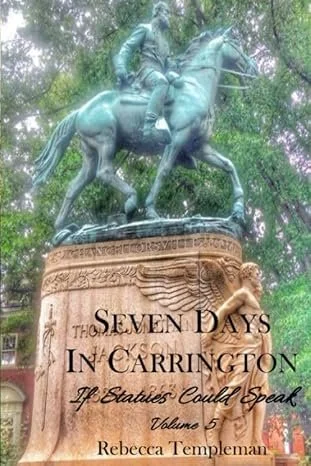
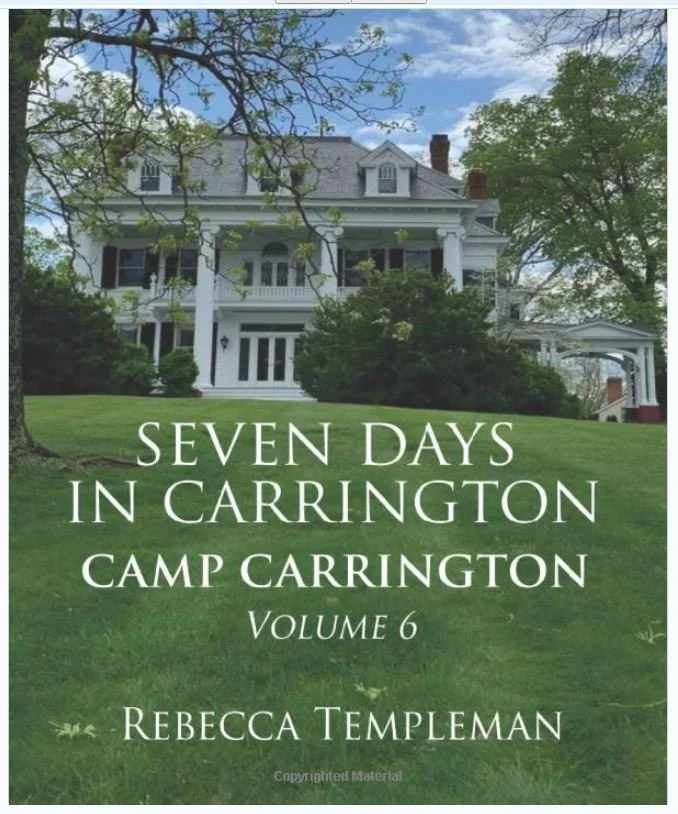
Book cover titled 'Seven Days in Carrington, Camp Carrington, Volume 6' by Rebecca Templeman, featuring a large white house with a porch, surrounded by green trees and grass, under a partly cloudy sky.
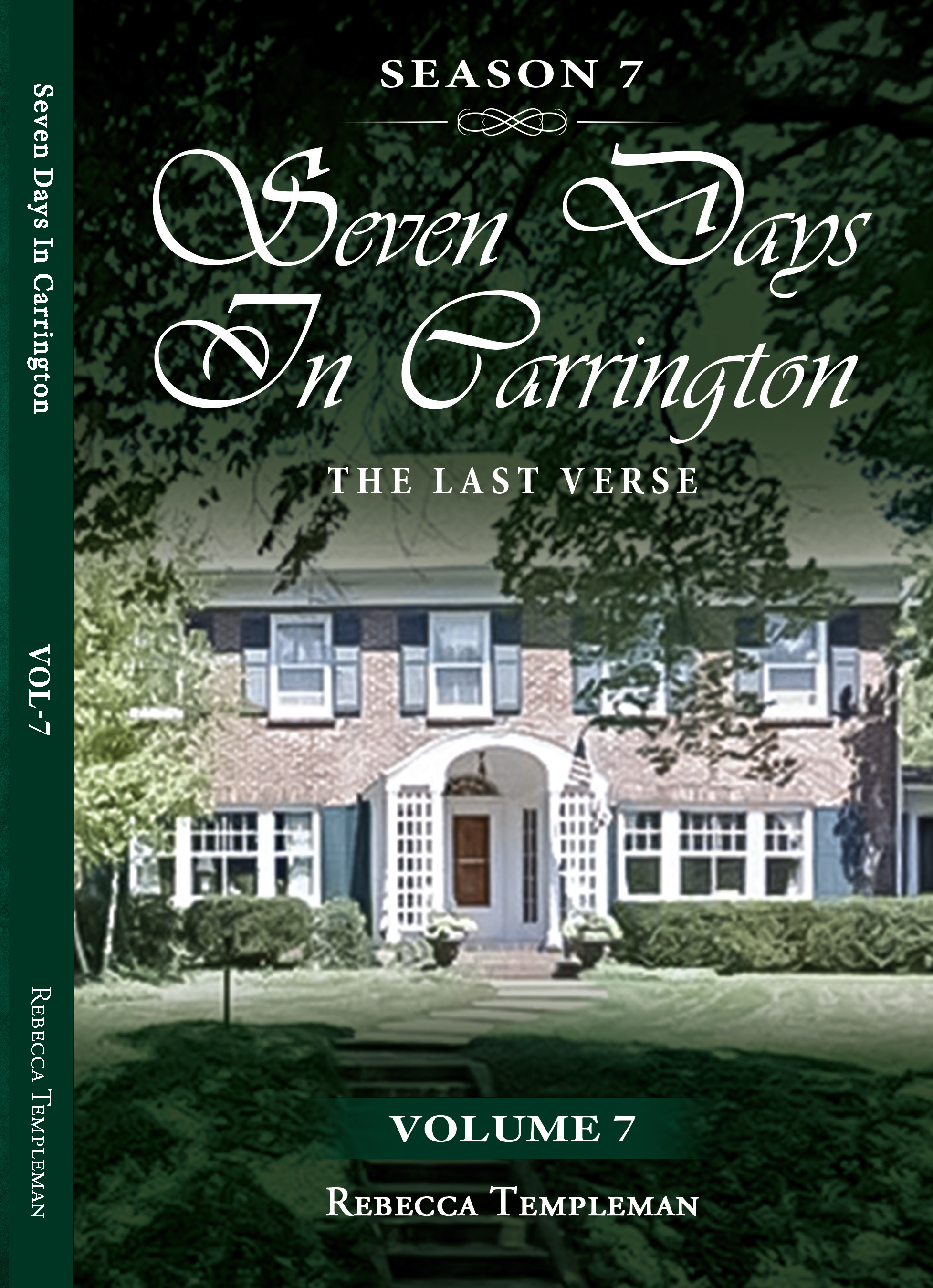
Book cover for 'Seven Daps In Carrington: The Last Verse' Volume 7 by Rebecca Templeman. The cover features a house with a large tree in the foreground and a green landscaped yard.